
Mageplastikk med figurforming og ev oppstramming av magemuskler
De fleste mennesker ønsker en flat, jevn og fast mage. Under graviditeten strekkes huden betraktelig, og sammentrekningen av huden etter fødselen er ofte ikke tilfredsstillende. Andre har vært overvektige og får etter slanking et plagsomt fettforkle hvor huden henger nedover. Andre har en arvelig disposisjon for en uheldig fordeling av fett på magen. Intens trening og slanking gir ikke alltid alene den ønskede effekt.
For å få optimalt resultat av bukplastikk/mageplastikk og for å unngå komplikasjoner, anbefales det at du har så normal vekt som mulig. Røyker du, må du slutte å røyke minst en uke før operasjonen og to uker etter. Er hudens elastisitet bevart og ikke for hengende, kan man løse problemet ved fettsuging alene. Foreligger det mye løs hud, såkalt hengebuk, bør det som oftest foretas en oppstramming av mage huden i tillegg ved mageplastikk.
Ved liten bukplastikk/mageplastikk fjernes overflødig hud etter en innledende fettsuging. Hos noen kvinner er magemusklene sprengt fra hverandre under graviditeten. Muskelhinnene kan eventuelt strammes opp under operasjonen. Ved full bukplastikk / mageplastikk lager man en ny plassering for navlen (i samme høyde som den var opprinnelig) og man fjerner betydelig mer overflødig hud og kan stramme opp muskel både under og ovenfor navlen. Arret blir som regel liggende like over hårlinjen (kjønnsbehåringen) og ut mot sidene. Har du arr etter tidligere operasjoner (f. eks keisersnitt), tas det hensyn til dette i planleggingen av mageplastikk.
Vi lukker vanligvis såret med sting som løser seg opp av seg selv. Det er vanlig å legge inn ett eller to dren (rør) som fjerner blod og væske fra sår området under huden. Disse fjernes vanligvis dagen etter bukplastikk/mageplastikk ved første kontroll. Arrene er i begynnelsen ofte røde, kløende og harde, men med tiden blekner og mykner de. Arrene skjules imidlertid av truse eller badedrakt, og vil dermed ikke synes. I sjeldne tilfeller blir arrene brede og godt synlige fordi dette er avhengig av pasientens egne nedarvede egenskaper. Vi anbefaler at du teiper arrene i et par måneder etter bukplastikk/mageplastikk. Dersom en arrkorreksjon vil kunne bedre forholdene, gjøres dette i inntil ett år etter operasjonen.
For full (stor) mageplastikk gis det i prinsippet sykemelding for 2-3 uker.
Before the operation
You must be healthy on the day of the operation. If you are in doubt whether you have a cold or similar, you must contact us. The operation is not performed when you have the flu with fever, cough or other infection in the body. Before the operation you will receive a prescription for antibiotics, possibly painkillers and Hibiscrub solution 40 mg/ml which you can buy at the pharmacy.
The day before surgery and on the day of surgery, you should wash your entire body with Hibiscrub solution in the shower. This is a disinfectant soap that should be rinsed off with water, and the skin should be dried with a clean towel. Put on clean clothes when you leave home. Do not use perfume or cream. All jewelry, piercings and nail polish/false nails must be removed at the latest the day before surgery and may be put back on 7 to 10 days after surgery.
To get the best possible result and to avoid complications, it is recommended that you have a normal weight, and not an excessively high BMI. If you smoke, or use nicotine such as snus or electronic cigarettes, you must quit at least 2 weeks before the surgery and 2 weeks after the surgery.
You should arrive at the surgery fasting. This means that you should not eat food including fruit or drink juice with pulp or dairy products 6 hours before the surgery. You can drink water, juice, juice without pulp or coffee/tea without dairy products or chew gum/drops/throat lozenges up to 4 hours before the surgery. Medications that you may need to take on the day of surgery can be swallowed with 1 glass of water max. 100 ml up to 1 hour before the start of anesthesia.
It is important that you stop taking blood-thinning medications about 14 days before the operation, preferably after consulting your GP or us. For other medications, consult the clinic before the operation. A lot of garlic and health food preparations should also not be consumed.
You must arrange in advance with someone to pick you up from the clinic approximately 1 hour after the surgery, as you cannot drive, take public transport or a taxi alone.
On the day of surgery
You will be received by our staff who will prepare you for the operation before the surgeon sees you. Before the actual procedure, the surgeon will go over the procedure, draw up the plan, and answer any questions you may have. Anesthesia personnel will also come to greet you and answer your questions.
When the surgery is about to begin, the operating room nurse will pick you up and clean the surgical area while the anesthesia personnel will give you a sedative in your arm so that you are asleep during the surgery. In addition, the surgeon will apply local anesthesia to the surgical area for a long-lasting pain relief effect in the surgical area after the surgery, which will also reduce bleeding in the area.
After the operation, you will be moved to the recovery room where you will have your own bed. You will then rest for 1-2 hours and will be served food and plenty of drinks in the form of bread, yogurt and juice (remember to inform about allergies). Painkillers may be given if necessary.
The surgeon will see you before your return trip/hotel stay and you will be assessed by an anesthesiologist before you travel home with an adult companion. The PVK attached to your hand will be removed before you leave. You must use a car or taxi as a means of transportation immediately after surgery, we do not recommend public transportation or walking.
After the operation
All patients will come for a post-operative check-up the day after surgery. We recommend that you do not travel by air for the first 48 hours after surgery. During this time, a check-up appointment will be arranged at the clinic and you will come for a check-up at the clinic the day after surgery.
The first few hours after the operation you may feel a little tired, and sometimes a little nauseous. It is important that you take painkillers as prescribed and as needed, and make sure to drink plenty of fluids during the first 24 hours. Some people may feel a little dizzy, so it is a good idea to take a few minutes when you get up. For the first two days you should rest and lie as still as possible. For the next five days you can move carefully. If you have an active job, it is a good idea to stay home.
The final result can only be assessed after 3-6 months. Follow-up checks are arranged with the clinic; the day after surgery, after 1-2 weeks and 3-6 months, as well as a final check-up after a year. You must call to arrange the check-ups yourself, or make an appointment with the clinic on the day of surgery.
Bleeding and infection are uncommon and in very few cases require reoperation and/or antibiotic treatment. Anesthesia complications, such as allergic reactions to anesthetics, are extremely rare.
Physical exercise and hard physical work should be avoided for about 4 weeks.
The scars are often red, itchy and hard at first, but over time they will fade and soften.
If correction is necessary due to complications or unsatisfactory results, this will be done free of charge within one year, provided there is a medical indication and a clear improvement potential. This is our guarantee period.
Accommodation
If you live far from the clinic, we recommend that you stay overnight in or near Oslo.
Oslo Plastikkirurgi har avtale både med Hotel Gabelshus, Gabelsgate 16 og Frogner House Hotel Norum, tidligere Rica Hotel Bygdøy Allé, Bygdøy Allé 53- begge ligger i umiddelbar nærhet av klinikken.
Ta kontakt med oss for nærmere opplysninger når det gjelder bestilling av hotellrom.
Ask for guidance and advice
The best advice we can give face to face. We will guide you to the best solution for you.
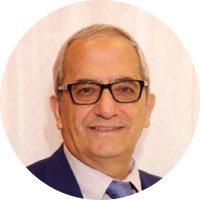
The responsible physician is Dr. Amin Kalaaji , MD, specialist in plastic surgery and clinic manager at Oslo Plastic Surgery, and head of the Norwegian Society for Aesthetic Plastic Surgery (NFEP) 2018-2020.
Dr. Kalaaji holds many positions and gives lectures and trainings around the world. This benefits all our patients as he is always up to date on the latest and most advanced treatments and surgical techniques.
Patient safety, high quality and individual treatment always have the highest priority at Oslo Plastic Surgery.